Why Does Concrete Need Reinforcement?
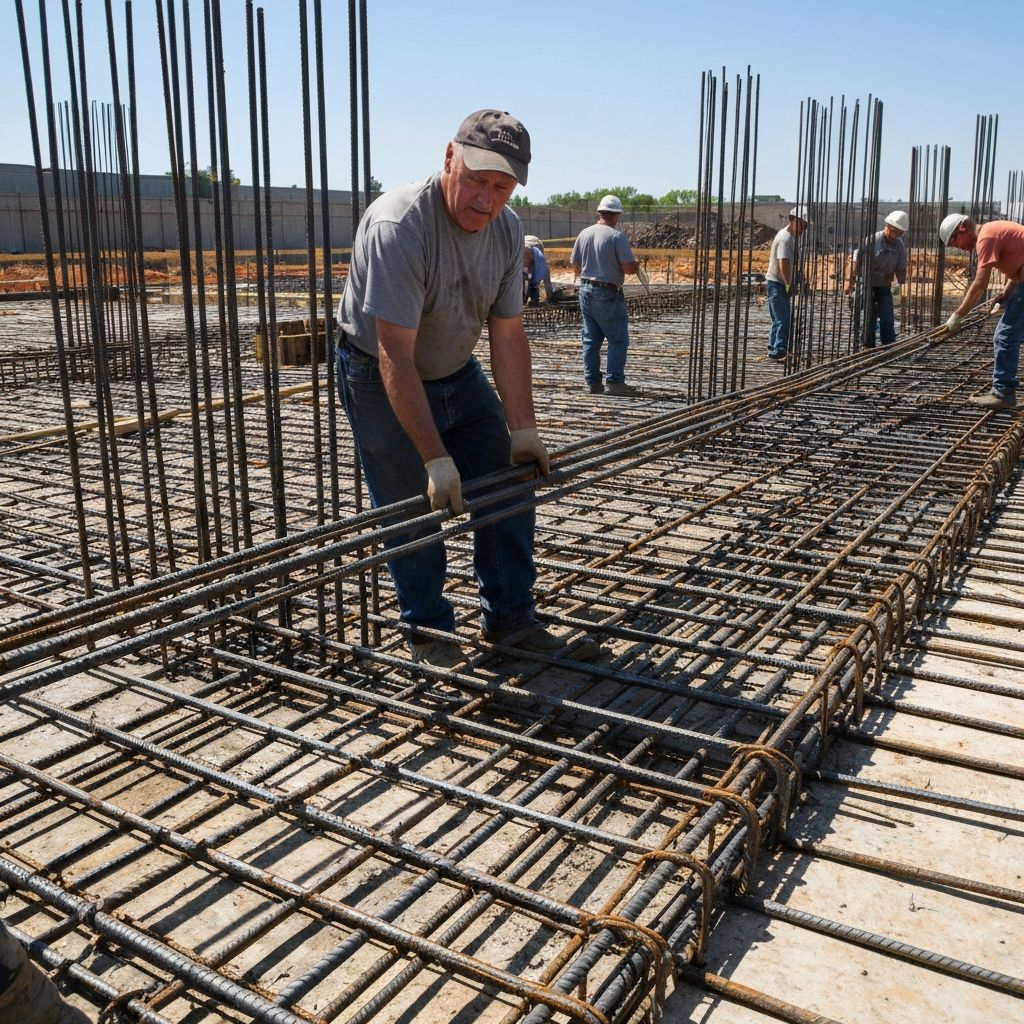
Concrete is one of the strongest building materials on earth—but only in certain ways. It excels at handling compression, which means it can support enormous downward weight. What it cannot do is handle tension or bending forces. When concrete is pushed or pulled sideways, it cracks easily.
Rebar exists to solve this exact weakness.
The Consequences of Missing or Poor Rebar:
- Concrete that cracks under normal loads: Without reinforcement, everyday movement, soil pressure, or temperature changes can cause structural splitting.
- Foundations that fail early: Footings and slabs rely on rebar grids to stay together under shifting ground.
- Unsafe buildings: Beams and columns without the right reinforcement simply cannot carry the designed loads.
Rebar and concrete work as a team—one handles pressure, the other handles tension. Together, they create structures that remain solid for decades.
Understanding How Rebar Actually Works
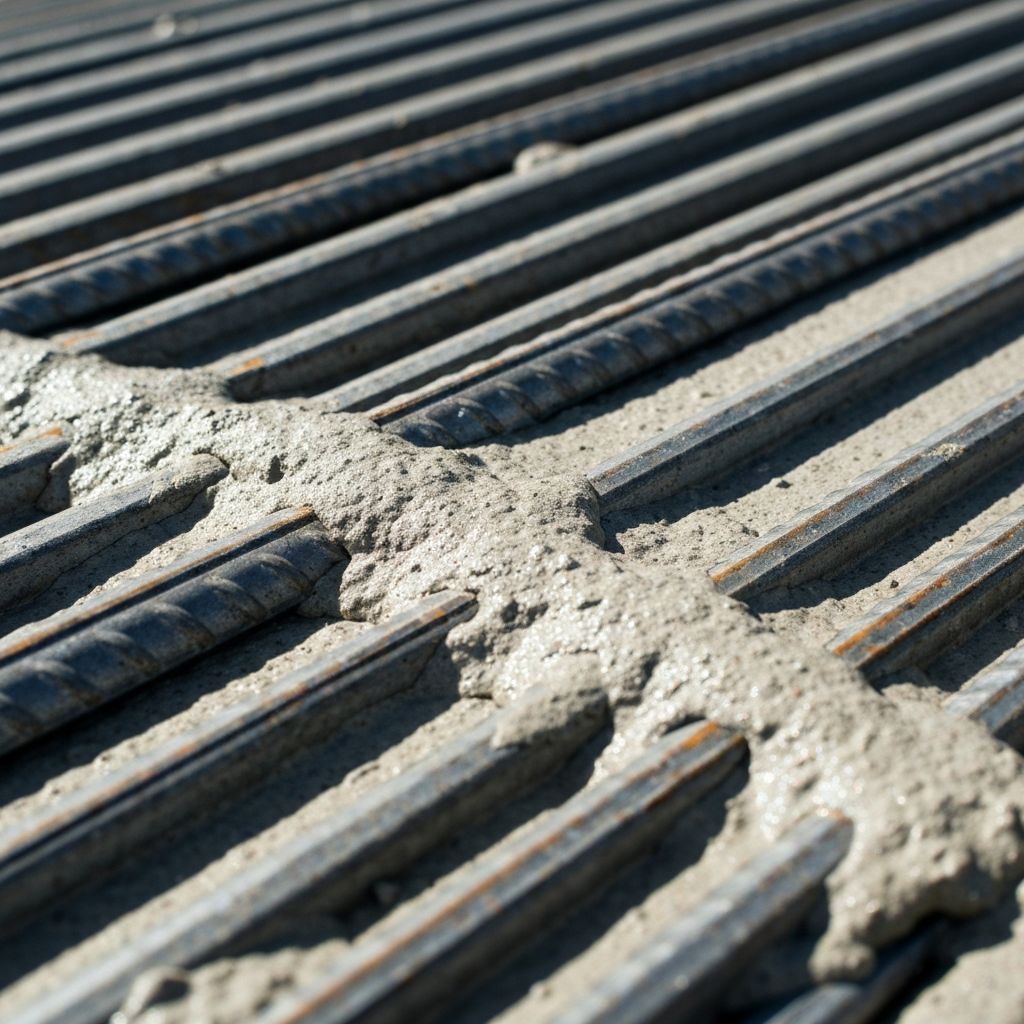
Rebar isn't just placed randomly; it's engineered to match the forces inside the concrete. The steel's ribbed surface grips the concrete tightly, allowing both materials to act as one solid piece. This bond lets the rebar absorb stretching forces, bending forces, and vibrations that concrete alone would fail under.
Key Factors That Make Rebar Effective:
- Tensile Strength: Steel doesn't easily stretch or break, making it ideal for supporting tension.
- Ductility: When overloaded, steel bends instead of snapping—giving buildings a chance to "warn" before failure.
- Thermal Compatibility: Steel and concrete expand and contract at almost the same rate, preventing cracks from temperature swings.
This synergy is what makes reinforced concrete the world's most widely used construction material.
Rebar Sizes, Shapes, and Why They Matter
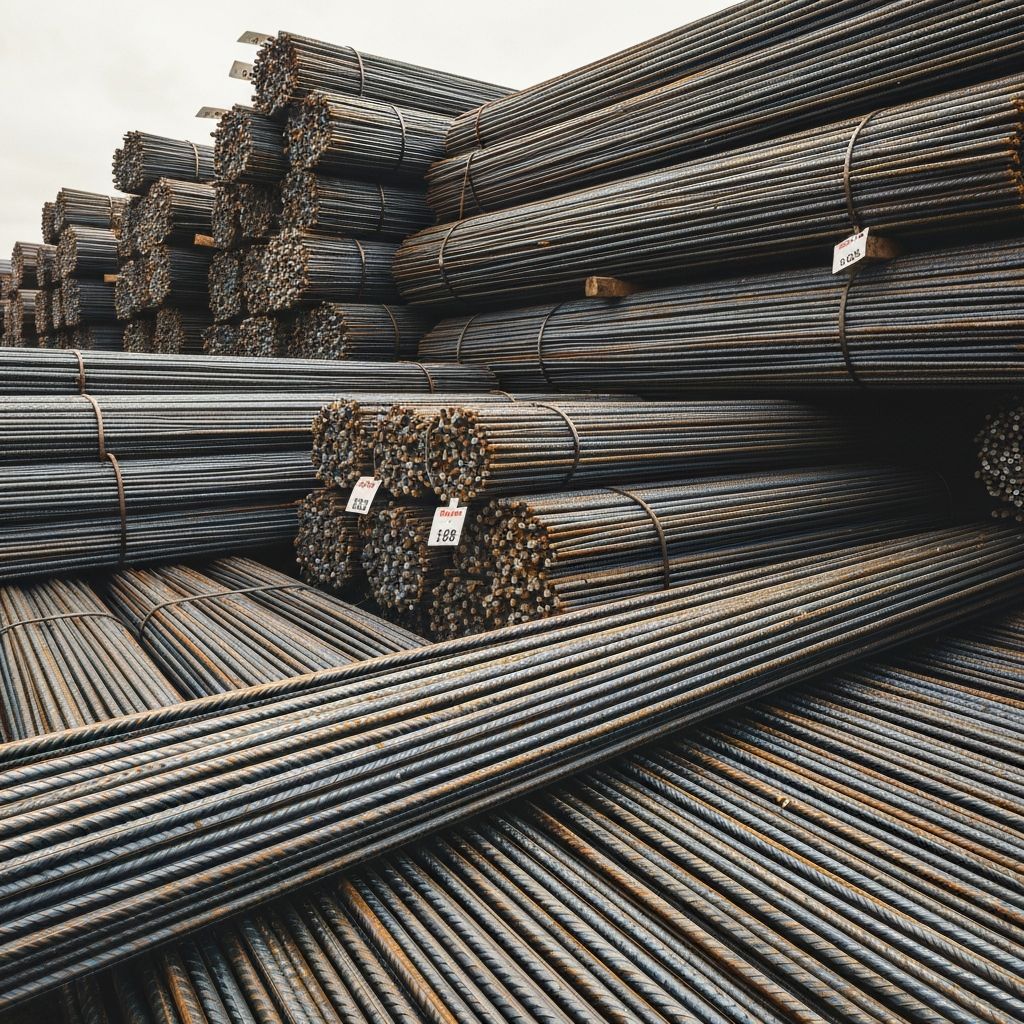
Rebar isn't one-size-fits-all. Different structures require different diameters, lengths, and layouts depending on how much force they need to handle. A skyscraper column, for example, might use thick, tightly grouped bars, while a driveway slab uses lighter reinforcement.
Common Forms You'll See on Job Sites:
- Straight bars: Standard 12-meter lengths used for most structural work.
- Tied grids: For slabs, floors, and foundations.
- Cages: Pre-built shapes for columns, beams, and pillars.
Getting the wrong size or amount of rebar can weaken the entire design, which is why engineers calculate reinforcement down to the millimeter.
Why Proper Rebar Placement Is Critical
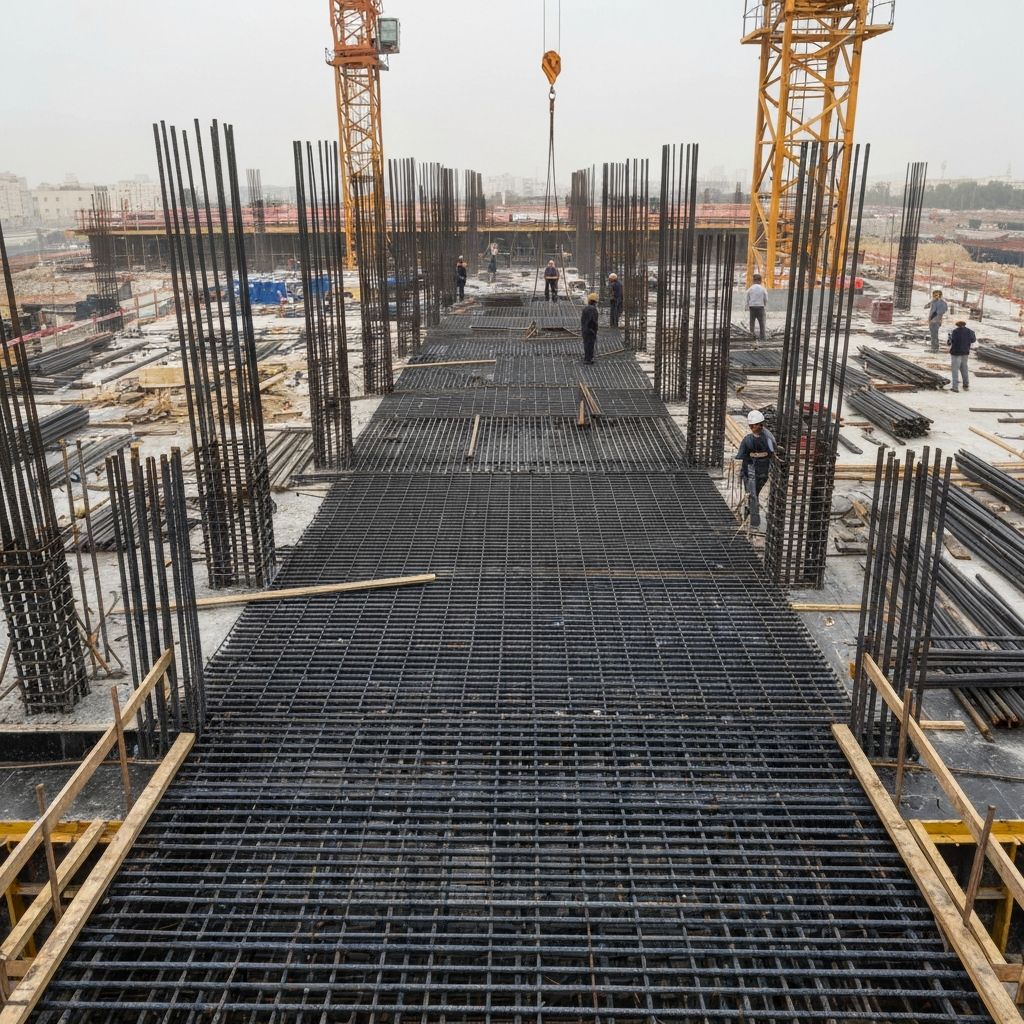
Even the best steel can't save a structure if it's installed poorly. Rebar must be positioned at the correct depth inside the concrete to withstand tension without rusting or failing early. Too close to the surface and it corrodes. Too deep and it can't resist the tension forces effectively.
Poor Placement Can Lead To:
- Concrete spalling
- Cracking
- Sagging floors
- Or in extreme cases, full structural collapse.
This is why trained crews follow exact spacing, depth, and tying requirements in every build.
Conclusion: Rebar Is the Silent Hero Holding It All Together
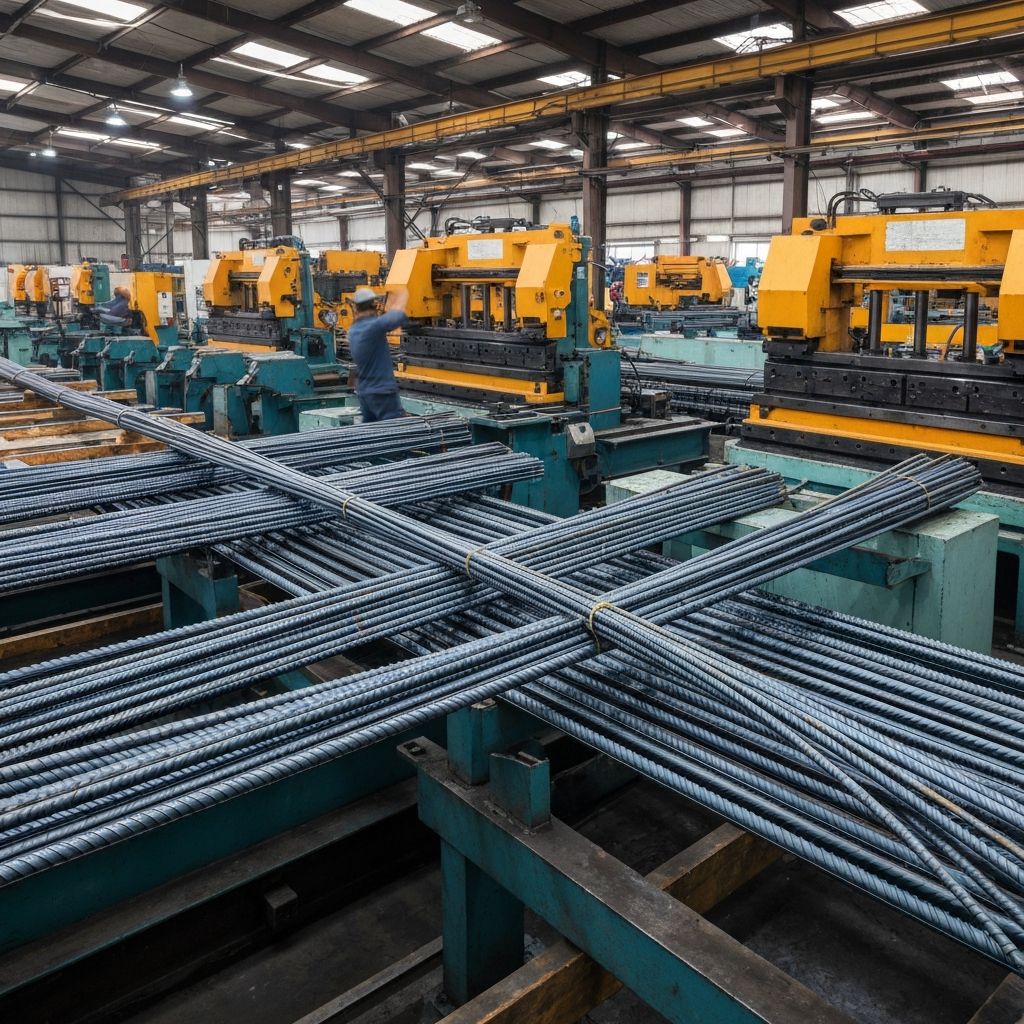
Rebar might be hidden inside concrete, but its role is impossible to overstate. It transforms brittle concrete into a strong, flexible, and safe building material capable of supporting massive loads and lasting generations. Understanding how rebar works highlights the precision behind every structure we rely on—from homes and bridges to towers and tunnels.
It's not just metal in the ground. It's the backbone of modern construction, engineered to keep everything standing strong.